
Many founders begin with a visual idea: a capsule collection, a dress range, a modern tailoring story, or a set of knitwear basics. The challenge begins when that idea has to become a garment that can be sampled, measured, costed and produced repeatedly. At that point, a brand is no longer only making creative decisions. It is making technical and commercial decisions.
Cyncho was founded in 2010 and works with overseas womenswear buyers from early development through bulk production. Based on that experience, the brands that move fastest are not always the ones with the biggest budget. They are the ones that prepare the right information and understand what a clothing manufacturer needs before quoting.
Why the Process Feels Complicated
A new apparel project usually includes several decisions that affect each other. Fabric affects fit, price, MOQ and lead time. Construction affects sample cost and production risk. Color count affects fabric purchasing. Label and packaging details affect delivery planning. If each topic is discussed separately, the project can feel slow and uncertain.
The solution is not to rush the factory. The better solution is to group information in a way that allows the factory to evaluate the project as a whole.
Start With a Narrow Product Range
One common mistake is launching too many categories at once. A small startup collection may include dresses, shirts, pants, jackets and knitwear in the same season. That sounds complete from a merchandising view, but each category has different fabric, pattern, fitting and production requirements.
For a first production conversation, choose the products that best represent your brand and have the highest chance of repeat orders. If your brand is built around minimalist dresses, refined shirts or tailored pants, start there. If knitwear is central to your identity, separate it from woven production planning and discuss yarn, gauge, structure and MOQ independently.
Prepare a Factory-Ready Brief
A factory-ready brief does not need to be perfect, but it should be specific. A useful RFQ normally includes:
- Product category and reference images
- Target quantity by style and color
- Fabric composition, hand feel or weight direction
- Size range and target market
- Label, trim, hangtag and packaging needs
- Any tech pack, measurement chart or sample garment available
- Expected launch date or delivery window
Without this information, a manufacturer can only give a general answer. With it, the factory can explain what is realistic, what may need development, and which details will affect cost.
Understand MOQ Before You Design Too Far
MOQ is not only a factory rule. It is often connected to fabric availability, dyeing, trim purchasing, color count and production efficiency. A simple cotton top may have a different MOQ from a silk dress, wool trouser, lined jacket or knitted cardigan. Asking about MOQ early helps a brand avoid designing a collection that cannot be produced within its budget.
For startup brands, the most practical question is not always "What is your lowest MOQ?" A better question is: "Based on this fabric, style and color plan, what production path would be realistic for my launch stage?"
Use Sampling as a Decision Tool
Sampling is not just a preview of the final garment. It is the stage where the brand and factory test whether the design, fabric, construction, measurements and finishing details can work together. A strong sample review should include fit comments, measurement corrections, fabric feedback, trim confirmation and workmanship notes.
For womenswear, small changes can affect the final product: sleeve opening, neckline tension, lining quality, pocket placement, waistband structure, shrinkage, fabric drape and seam finishing. Treating sampling as a serious technical stage reduces the chance of disappointment in bulk production.
Choose a Manufacturer That Fits Your Product
A good clothing manufacturer is not the same for every brand. If your focus is woven womenswear, you need a factory comfortable with tops, shirts, pants, dresses and jackets. If your line includes knit tops, cardigans or pullovers, you need a partner that understands knitwear production as a separate process.
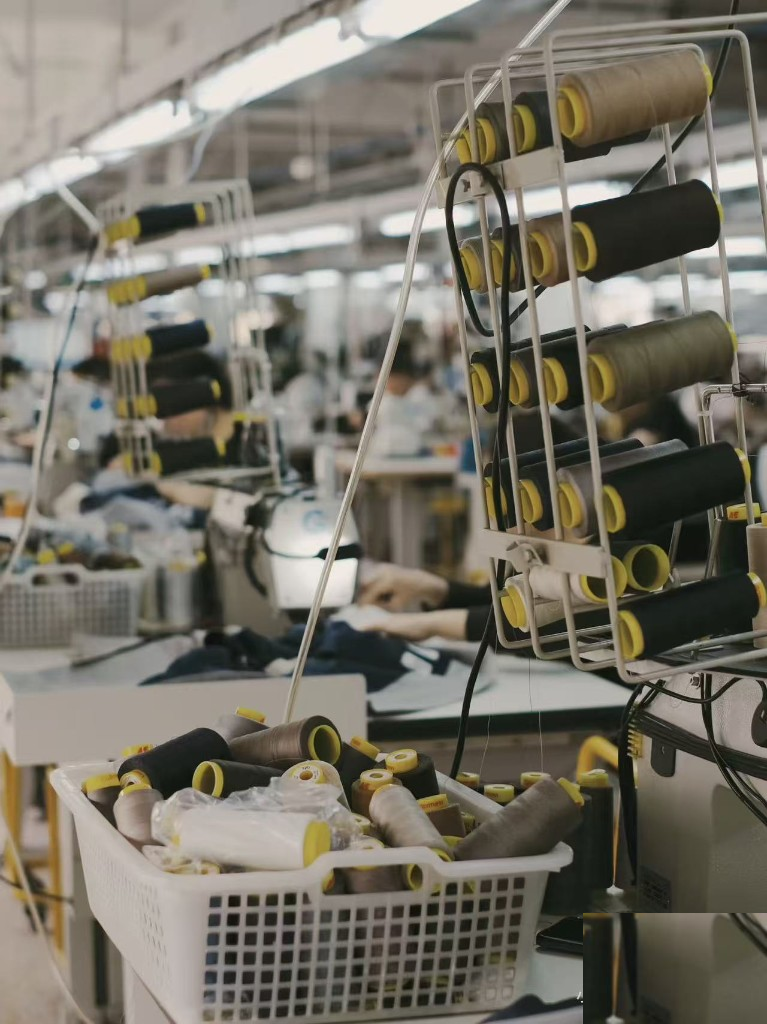
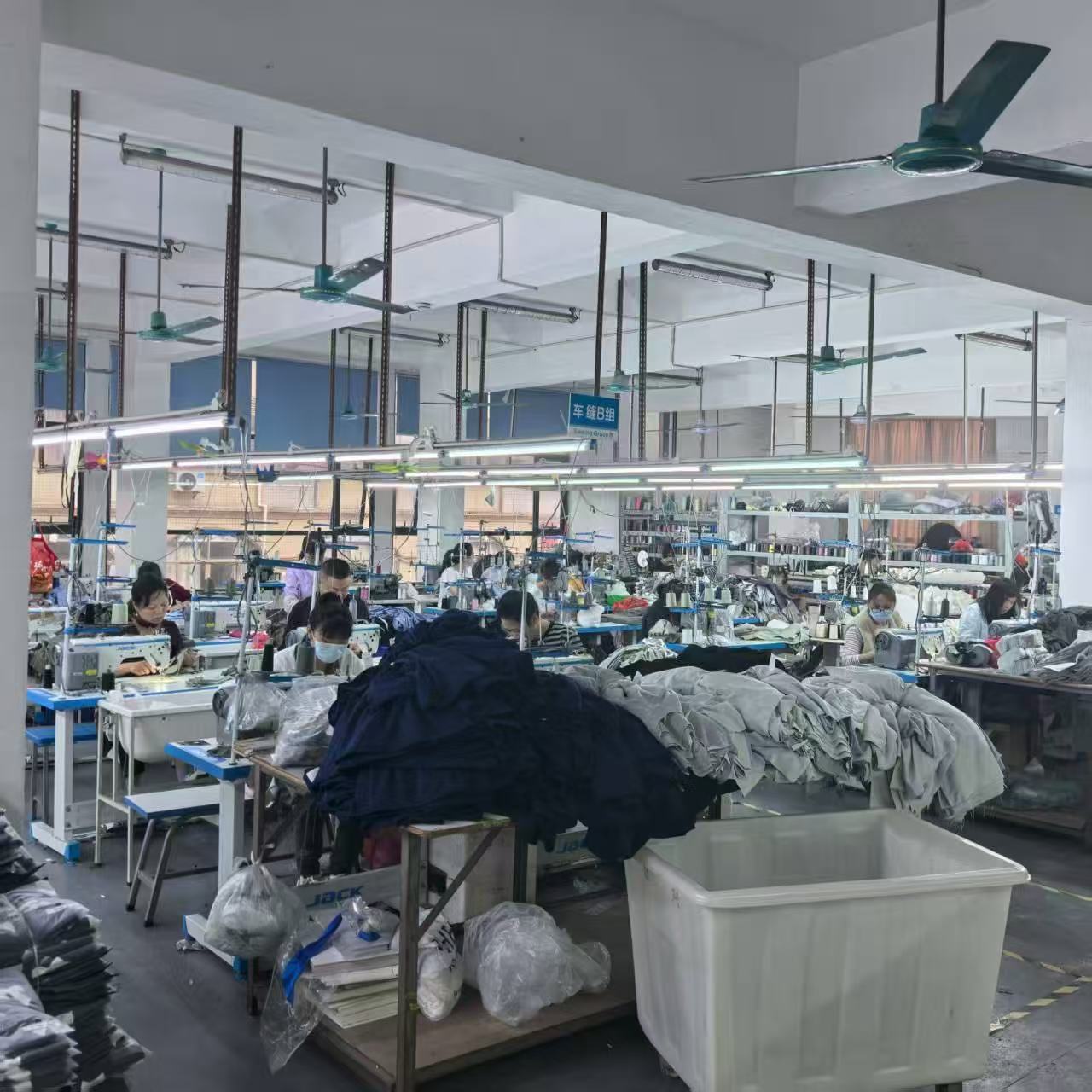
Cyncho owns a woven apparel factory and also works with an invested knitwear and sweater factory. This structure helps overseas buyers discuss woven garments and knitwear programs under one production conversation while still respecting the technical differences between categories.
Build a Launch Timeline Backwards
Professional buyers often plan backwards from the selling season. They allow time for development, fabric sourcing, first sample, sample comments, revised sample, pre-production confirmation, bulk production, inspection and shipping. New brands often underestimate this timeline because they only count sewing time.
If your collection has a fixed launch date, share it early. A factory can then explain what must be confirmed first and where delays are most likely to happen.
Final Takeaway
Launching a clothing brand becomes easier when production is treated as a structured workflow rather than a single quote request. Start with a focused range, prepare clear information, discuss MOQ early, use sampling properly and choose a manufacturer that understands your product category.
For womenswear brands, wholesalers, distributors and retailers, the goal is not only to find a supplier. The goal is to build a practical manufacturing relationship that can support repeat collections with better communication over time.