

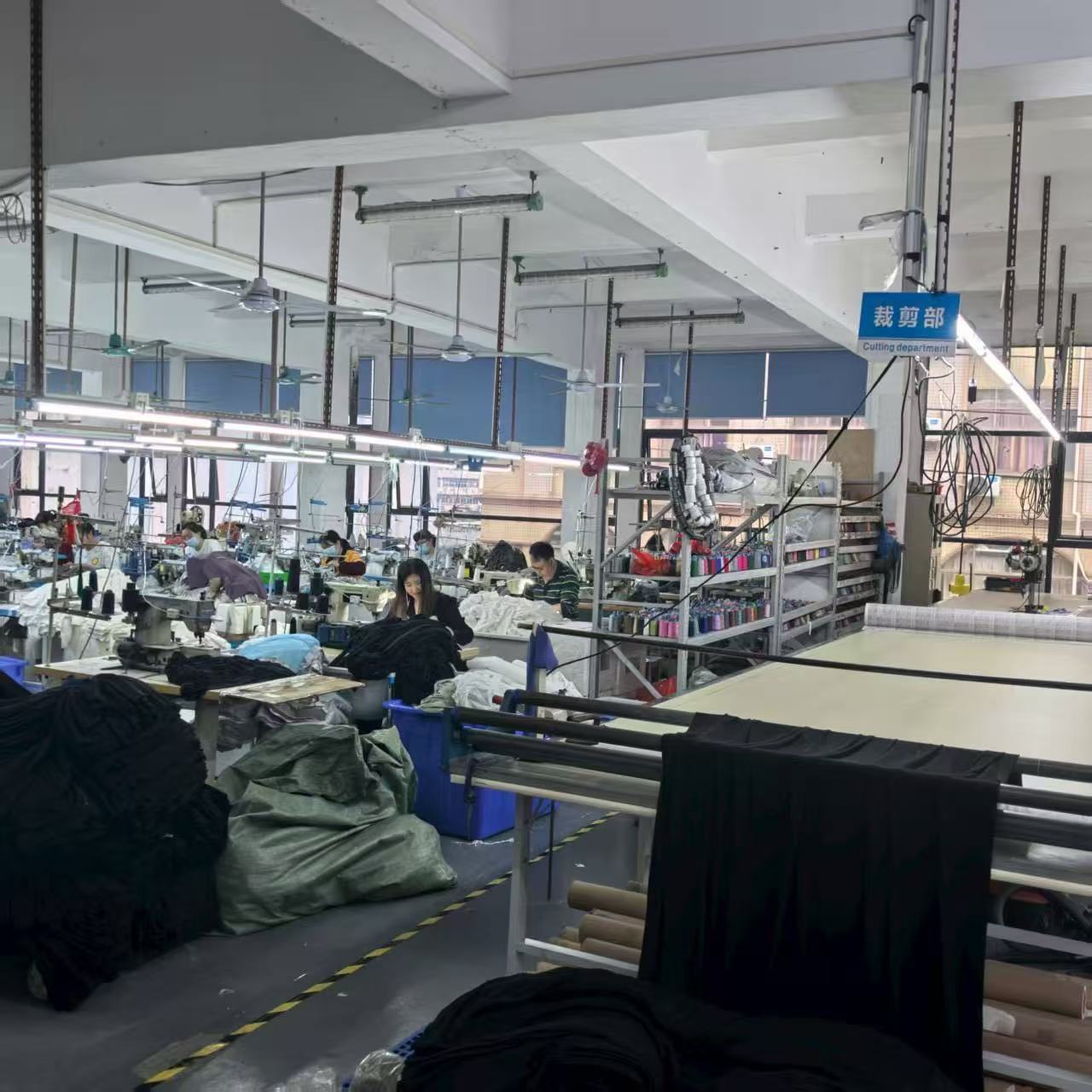
Middlemen exist in apparel sourcing for a reason. Some provide valuable merchandising, language support, quality control or logistics management. Others add cost without improving the product. For overseas fashion brands, the goal is not to chase the lowest quote. The goal is to know whether you are speaking to a factory, an agent, a trading company or a supplier that can genuinely manage the category you need.
Cyncho is a clothing manufacturer founded in 2010 with a wholly owned woven apparel factory and an invested knitwear and sweater factory resource. This makes direct production discussion possible for buyers working on women tops, shirts, pants, dresses, jackets, outerwear, knit tops, cardigans and pullovers.
Start by Defining What You Need From the Supplier
A direct factory relationship works best when the buyer can provide clear product information. If you need design, merchandising, market research and collection planning from zero, an agency may still have a role. If you already have a clear product direction, reference images, quantities and brand requirements, a direct factory conversation can be more efficient.
Check Whether the Supplier Understands Your Category
A supplier may say it can produce clothing, but apparel categories are not identical. Woven dresses, tailored pants, lined jackets, silk tops and knitted cardigans require different technical knowledge. Ask what products the factory regularly handles, what sample information it needs and whether it has experience with your target market.
For womenswear brands selling to Australia, New Zealand, the United States, the United Kingdom or Germany, category experience matters because buyers often expect stronger fit comments, clean finishing, reliable fabric hand feel and professional export communication.
Ask for a Transparent Quotation Structure
A useful quotation should explain more than a final unit price. It should clarify fabric assumption, trim details, workmanship level, packing method, sample cost, MOQ, lead time and what is not included. If a quote is much lower than others but does not explain assumptions, the risk may appear later in fabric quality, sample revisions or bulk production.
A professional sourcing question is: "What assumptions are included in this quotation?" This helps reveal whether the quote is based on the same fabric, construction and quality level you expect.
Do Not Skip Sampling to Save Money
Some buyers try to save cost by moving quickly from quote to bulk order. This is risky. Sampling is where a direct factory relationship becomes valuable because the buyer can discuss measurements, fit, fabric, trims and finishing details before production. A good sample process reduces the chance of bulk disappointment.
If you are sourcing without an intermediary, the brand must take sample review seriously. Provide written comments, photos, measurement notes and clear approval decisions.
Evaluate Communication Quality
Direct sourcing does not work if communication is unclear. A good factory should be able to explain what is possible, what needs adjustment and what details are missing. You should expect practical questions about fabric, quantity, label requirements, packaging, color count and target delivery time.
Slow or vague communication at the inquiry stage often becomes more expensive during production. The cheapest quote is not helpful if the supplier cannot manage changes or clarify risks.
Understand What Still Needs Management
Removing unnecessary middleman fees does not remove the need for project management. Someone still needs to manage timelines, approvals, quality checkpoints, packing details and shipping communication. If the buyer has a clear internal process, direct factory sourcing can work well. If not, the factory and buyer need to agree on communication steps before bulk production begins.
Use a Direct Factory Inquiry Checklist
- Product category, reference images and tech pack if available
- Target order quantity by style, color and size range
- Fabric composition, hand feel or material reference
- Label, trim, hangtag and packaging requirements
- Target market and quality expectation
- Expected delivery window and shipping destination
- Questions about MOQ, sampling, lead time and quality control
When a Middleman May Still Be Useful
A balanced sourcing strategy should be honest about when a service provider adds value. If a buyer has no tech pack, no product development experience, no internal quality control process and no team member available to review samples, a capable sourcing partner may help reduce mistakes. The problem is not every middleman. The problem is paying extra without receiving clearer development, stronger quality control or better communication.
For brands with clear product direction and the ability to give structured feedback, working directly with a factory can create better transparency. It allows the brand to ask technical questions about fabric, construction, MOQ and sample revisions without waiting for several layers of communication. The key is to choose a manufacturer that is comfortable with export communication and willing to explain production limits early.
Final Takeaway
Working closer to a clothing factory can reduce unnecessary sourcing layers, but it requires better information and disciplined communication. Buyers should compare suppliers based on product capability, quote clarity, sample process, QC approach and long-term reliability, not only on the first price they receive.
For brands that need woven womenswear and knitwear support, Cyncho can help review whether a project fits our production strengths before moving into sampling.