
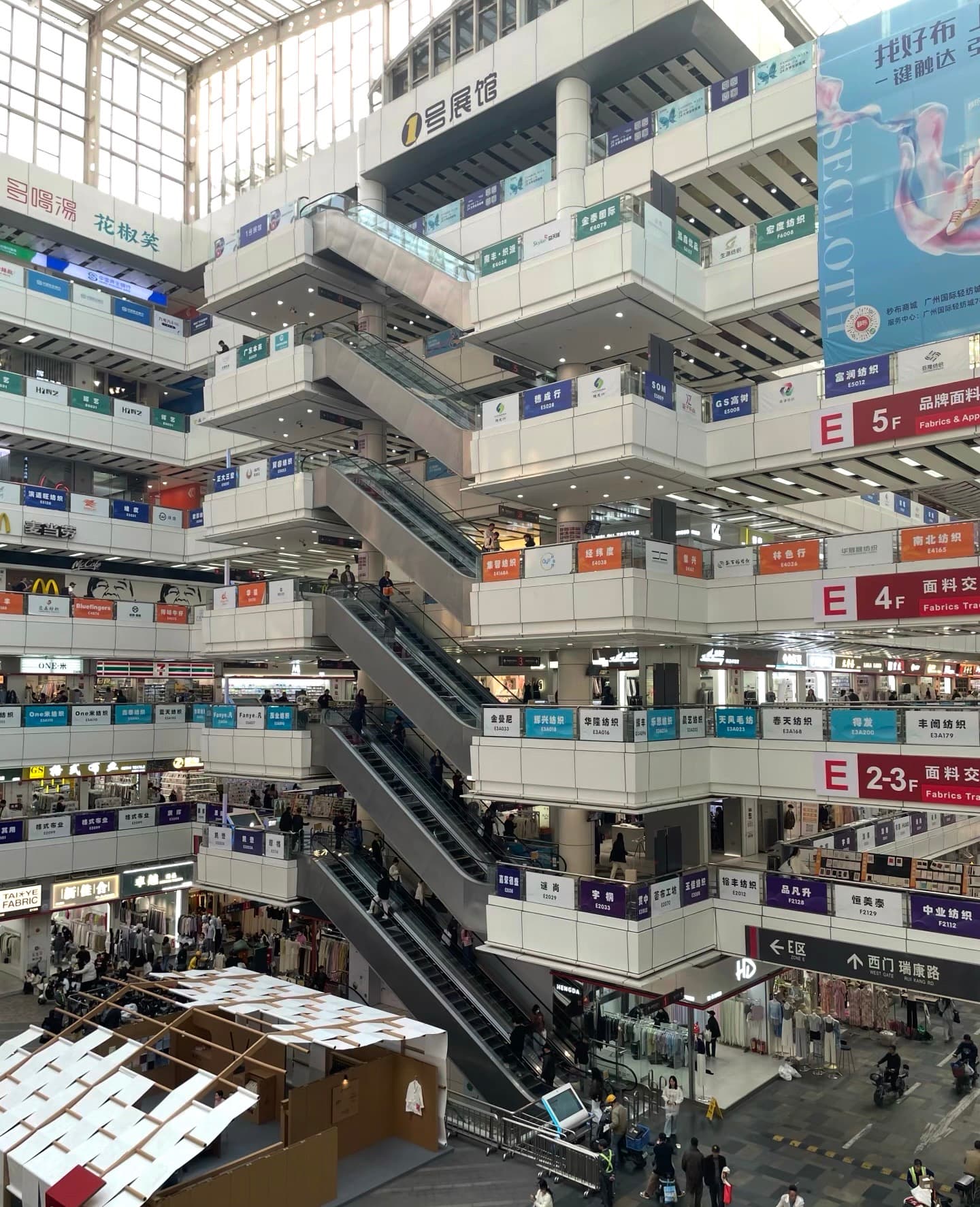
Fabric is one of the first decisions a buyer notices and one of the first decisions a factory must understand. It affects drape, fit, shrinkage, sewing method, lining, finishing, MOQ, sample timing and final cost. For womenswear production, fabric selection should be discussed before a brand moves too deeply into sampling.
Cyncho supports fabric search, trim sourcing and product development for overseas fashion brands. The strongest fabric discussions usually start with a product goal, not a fabric name alone. A buyer may say "silk dress," "cotton shirt," "wool pant" or "knitted cardigan," but the factory still needs to understand weight, finish, hand feel, transparency, stretch and care expectations.
Match Fabric to Product Category
Different garments need different performance. A dress may need fluid drape. A shirt may need crispness and recovery. Tailored pants need stability, shape and clean pressing. Jackets may require lining, fusing and structure. Knitwear needs yarn and gauge decisions rather than woven fabric sourcing.
| Product | Fabric Direction to Discuss | Production Notes |
|---|---|---|
| Dresses | Viscose, silk, satin, cotton poplin, linen blend, crepe | Check drape, transparency, seam slippage and shrinkage. |
| Shirts and Tops | Cotton poplin, organic cotton, linen blend, silk, jersey | Confirm hand feel, button placket stability and wash performance. |
| Pants | Cotton twill, wool blend, suiting fabric, stretch woven | Review recovery, pressing, waistband structure and color fastness. |
| Jackets | Twill, wool blend, cotton canvas, technical woven, lining fabric | Discuss fusing, lining, hardware and bulk production tolerance. |
| Knitwear | Cotton yarn, wool yarn, blended yarn, responsible wool, recycled yarn | Confirm gauge, yarn MOQ, shrinkage and pilling expectations. |
Cotton and Organic Cotton
Cotton is widely used for tops, shirts, dresses and casual pants because buyers understand it and customers are familiar with the hand feel. Organic cotton can support a more responsible brand story, but buyers should still check availability, certification requirements and minimum order quantity.
For cotton stripe tops, cotton pants or organic cotton shirts, discuss fabric weight, shrinkage, yarn quality, color fastness and whether the fabric is stock fabric or custom-developed. Stock fabric may help reduce lead time, while custom fabric may require higher MOQ.
Silk and Silk Blends
Silk dresses and silk tops can communicate premium positioning, but they require more careful handling. Brands should discuss fabric weight, lining, seam construction, care label, color bleeding risk and whether the style needs additional testing. A silk garment that looks beautiful in a reference photo may still need technical adjustment for production.
If the target customer expects luxury basics or contemporary womenswear, silk can be effective. The buyer should still balance price, care requirements and return risk.
Wool and Tailored Fabrics
Wool trousers and tailored pants need stable material, accurate pressing and strong measurement control. For women responsible wool pant programs, buyers should clarify whether certification is required, what composition is expected, and whether the garment needs lining or special waistband construction.
For markets such as the United States, United Kingdom, Germany, Australia and New Zealand, buyers may also need to consider seasonality and customer care expectations.
Knitwear Materials
Knitwear should be treated separately from woven clothing. A knitted cardigan, knitted top or knitted pant factory project depends on yarn composition, gauge, stitch structure, washing, pilling and measurement stability. A brand should provide reference photos, target hand feel and preferred composition before asking for sample cost.
Cyncho works with an invested knitwear and sweater factory, which helps buyers discuss knit tops, cardigans, pullovers and knitted pants alongside woven womenswear production.
Sustainable Fabric Choices
Sustainable fashion language must be supported by real material decisions. Recycled fibers, organic cotton, responsible wool and certified materials can be valuable, but buyers should confirm certification needs, documentation, MOQ and price impact before using those claims in marketing.
A professional supplier should be willing to discuss what can be documented and what cannot. For B2B production, sustainability claims should be treated as supply chain requirements, not only branding language.
What to Send Before Fabric Sourcing
- Product type and reference images
- Target fabric composition or similar hand feel
- Target price level and market
- Expected quantity and color count
- Certification requirements, if any
- Care expectations and season
Common Fabric Mistakes Brands Should Avoid
One frequent mistake is choosing fabric only from a photo. A reference image can show drape and styling, but it cannot show weight, hand feel, shrinkage, transparency or recovery. Another mistake is asking for a premium fabric while also expecting very low MOQ, many colors and a fast lead time. These requirements may conflict with each other.
Brands should also avoid changing fabric too late in the development process. A new fabric can change measurements, fit, sewing tension, pressing, lining needs and even the final price. If a buyer is still deciding between cotton, silk, wool, jersey or knitwear yarn, it is better to discuss those options before confirming the first sample.
Final Takeaway
The best fabric is not simply the most expensive or the most popular. It is the fabric that supports the product, brand positioning, target customer and production reality. A good clothing manufacturer should help a buyer understand trade-offs before sampling, especially when MOQ, cost and lead time matter.